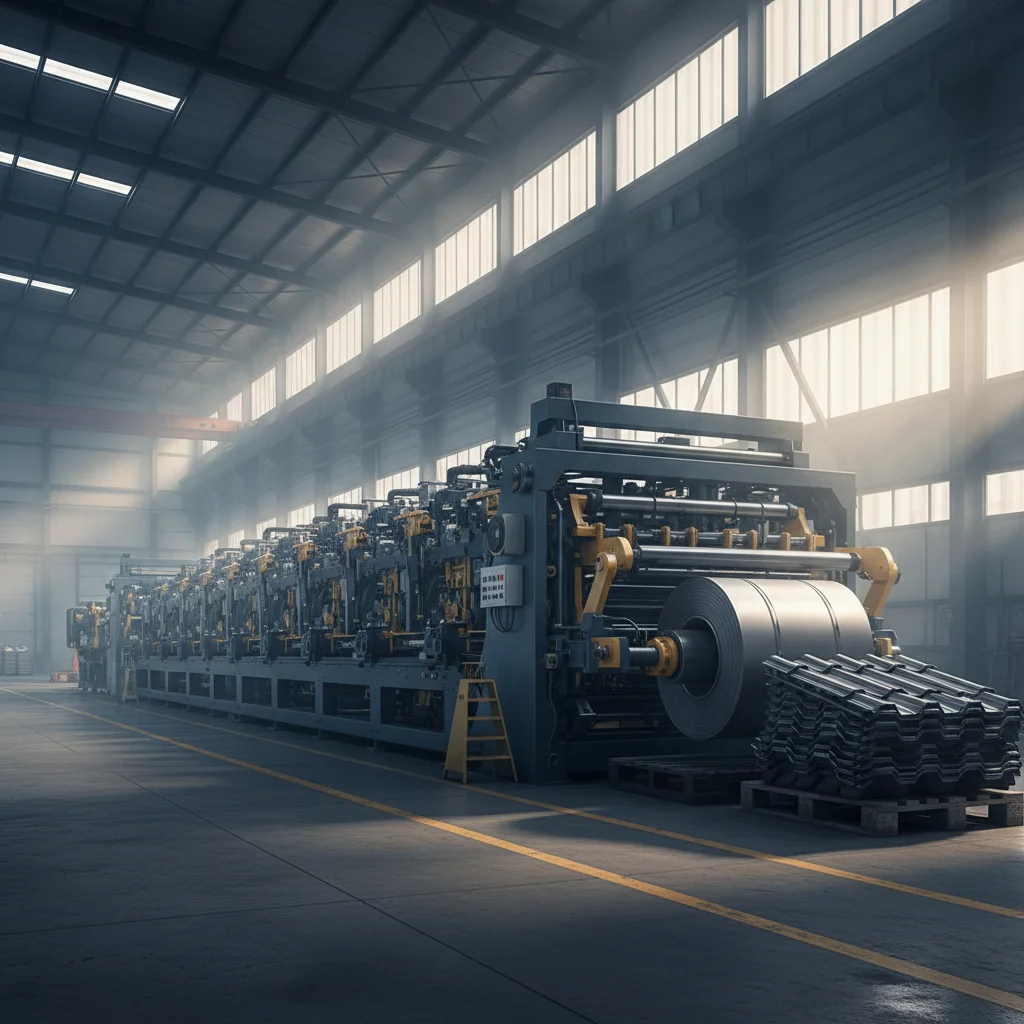
The global demand for robust and efficient roofing solutions is continuously growing, fueled by infrastructure development, urbanization, and increasing awareness of the importance of durable shelters. This demand has spurred innovation in roof making machine technology, leading to sophisticated equipment capable of producing a wide variety of roofing profiles. These machines are essential for construction projects ranging from residential buildings to large-scale industrial facilities, and even disaster relief efforts.
The ability to rapidly and cost-effectively manufacture high-quality roofing materials is crucial in addressing housing shortages and ensuring safe, reliable shelter. Roof making machine play a vital role in this process by streamlining production, reducing waste, and increasing efficiency. This is particularly important in regions facing rapid population growth or recovering from natural disasters.
Investing in advanced roof manufacturing machinery is no longer just a matter of improving construction speed. It’s about enhancing building quality, promoting sustainability, and ultimately, safeguarding communities. This is where understanding the nuances of these machines and their applications becomes paramount.
The Significance of Roof Making Machines
The importance of a sturdy and well-constructed roof cannot be overstated. It provides protection from the elements, contributes to the structural integrity of a building, and significantly impacts energy efficiency. Roof making machine are pivotal in ensuring that these critical roofing elements are produced with precision, speed, and consistency. They represent a core technology within the construction industry.
These machines address a fundamental need in both developed and developing nations – the need for affordable and durable housing. By automating the roofing production process, manufacturers can lower costs, increase output, and meet the growing demand for quality roofing materials. This has direct implications for public safety and economic development.
Understanding Roof Making Machines: A Definition
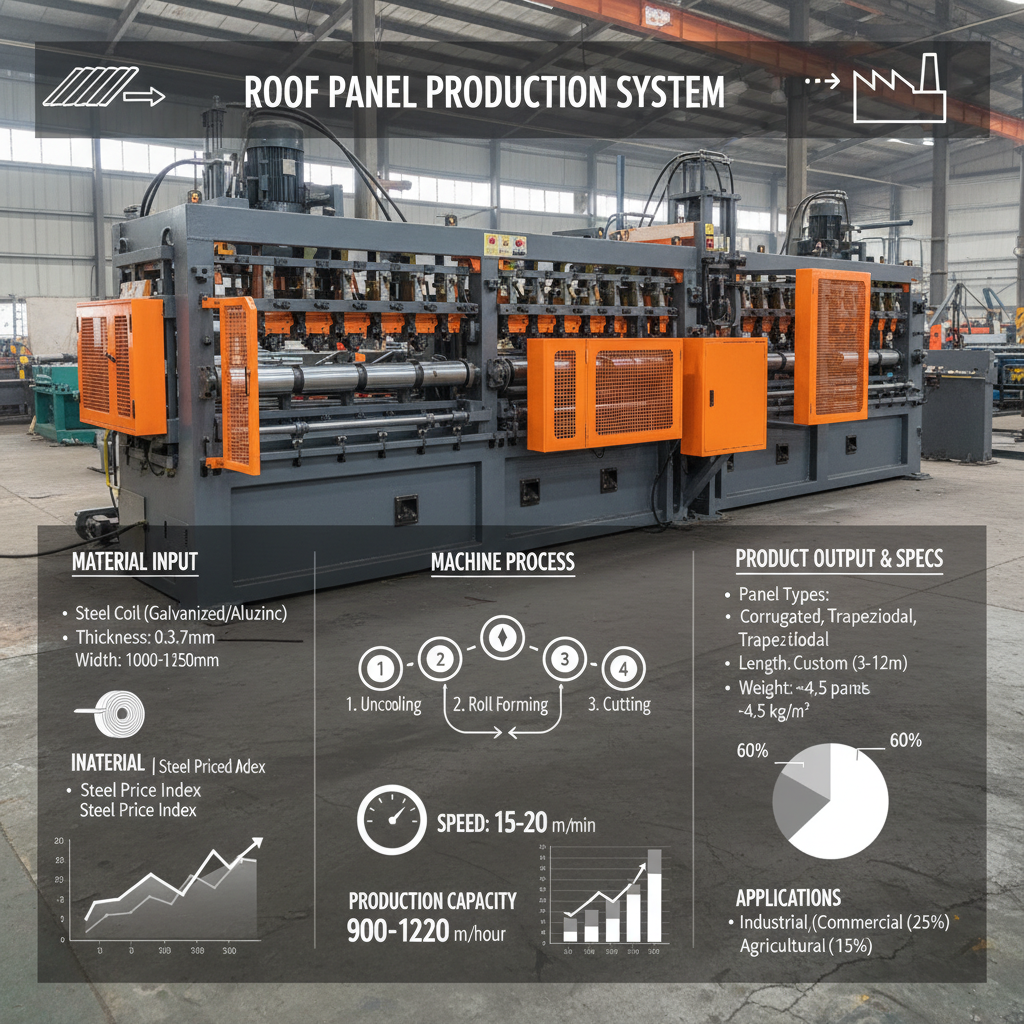
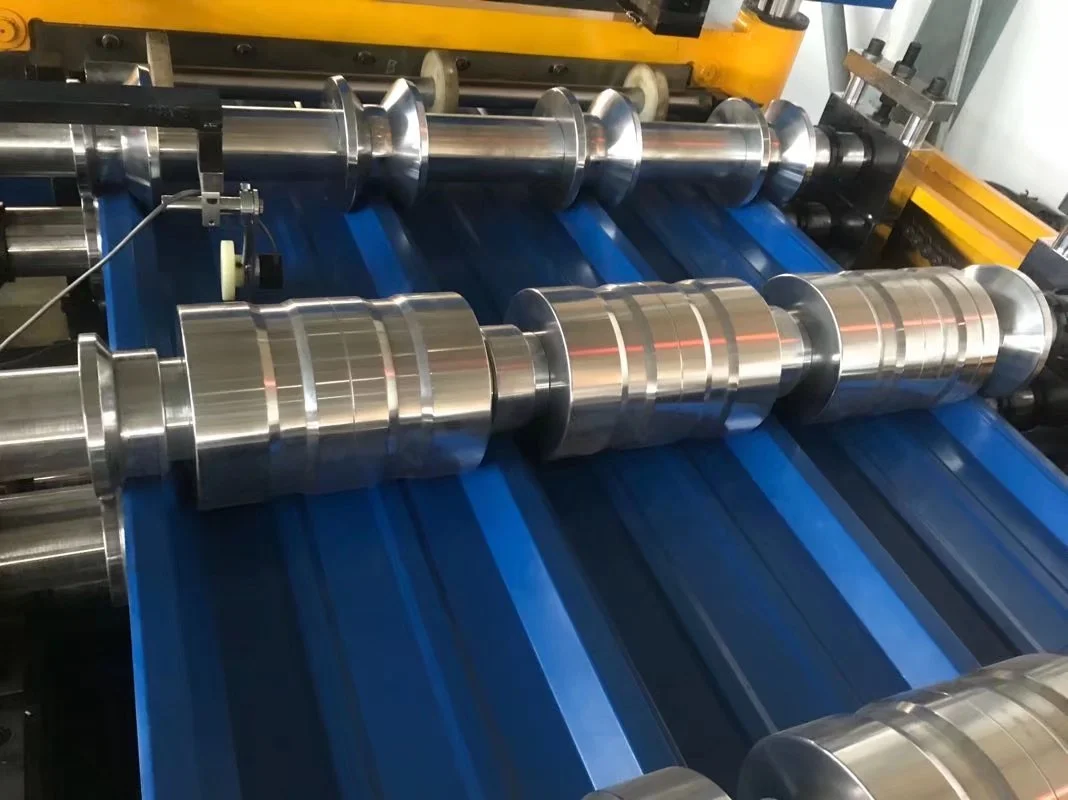
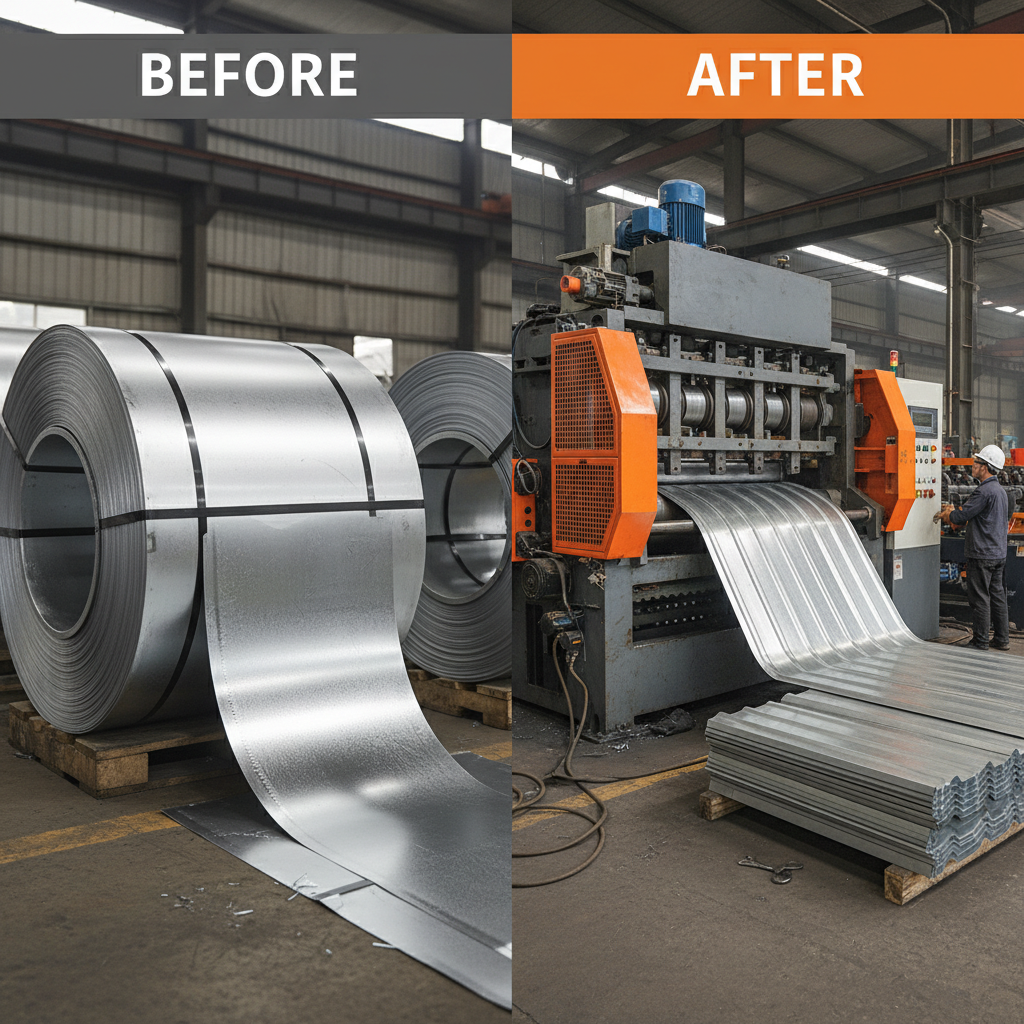
A roof making machine, at its core, is a specialized piece of metal forming equipment designed to continuously bend and shape sheet metal into various roofing profiles. These machines employ a process called roll forming, where the metal sheet passes through a series of rollers, each incrementally shaping the material until the desired profile is achieved. Modern machines are often computer-controlled, offering precision and flexibility in production.
Unlike traditional methods of roofing production which can be labor-intensive and prone to inconsistencies, these machines offer a highly efficient and reliable alternative. They cater to a broad range of materials including galvanized steel, aluminum, and even certain types of composite materials.
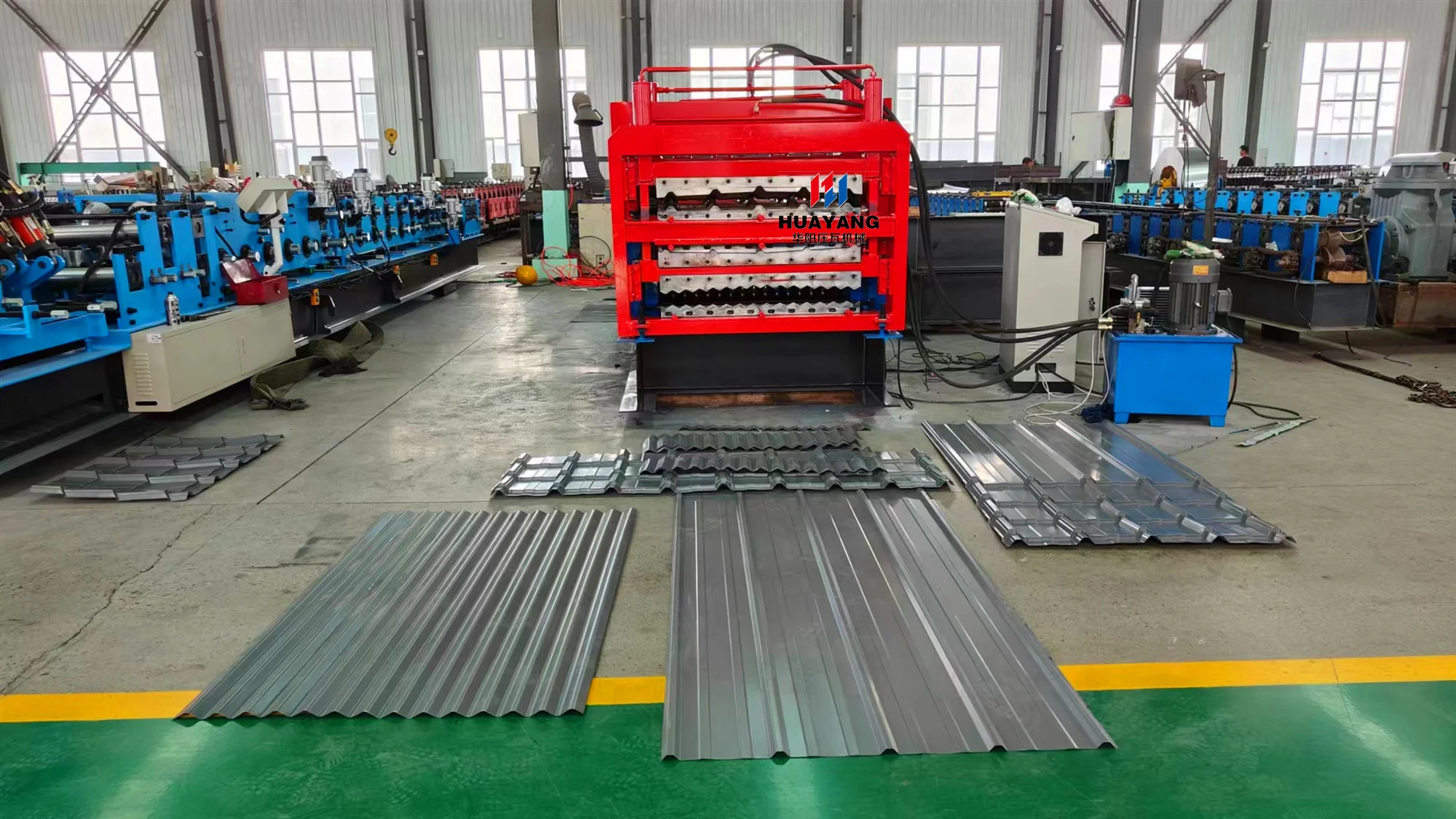
The applications of a roof making machine extend beyond simply creating standard roofing sheets; they enable the production of specialized profiles for agricultural buildings, warehouses, residential homes, and even complex architectural designs, contributing significantly to modern construction and infrastructure projects.
Key Components and Factors Influencing Performance
Several key components contribute to the performance and efficiency of a roof making machine. The uncoiler, which feeds the sheet metal into the machine, is critical for consistent operation. The forming station, comprised of a series of rollers, defines the final shape of the roofing profile. The cutting system ensures accurate sheet length, while the control system manages the entire process.
Factors impacting performance include the quality of the steel used in the rollers, the precision of the control system, and the overall design of the forming station. The thickness and type of metal being processed also significantly influence the machine's capabilities. Proper maintenance and calibration are essential for sustained optimal performance and longevity of the machine.
Furthermore, the automation level of the machine, including features like automatic gauge control and error detection systems, greatly impacts efficiency and reduces the risk of defects. Advanced models now incorporate real-time monitoring and data analysis to optimize production parameters.
Global Applications and Diverse Use Cases
Roof making machine are utilized globally across a diverse spectrum of applications. In developed nations, they are integral to large-scale construction projects, supplying roofing materials for commercial buildings, industrial facilities, and residential developments. In developing countries, they provide a crucial solution for rapidly expanding infrastructure, contributing to affordable housing initiatives and post-disaster reconstruction.
Specific use cases include the production of corrugated roofing sheets for agricultural buildings, metal tiles for residential roofing, and specialized profiles for industrial warehouses. In regions prone to extreme weather, these machines are used to create robust and durable roofing systems designed to withstand high winds, heavy snow, and intense rainfall.
Roof Making Machine Applications by Sector
Advantages and Long-Term Value Proposition
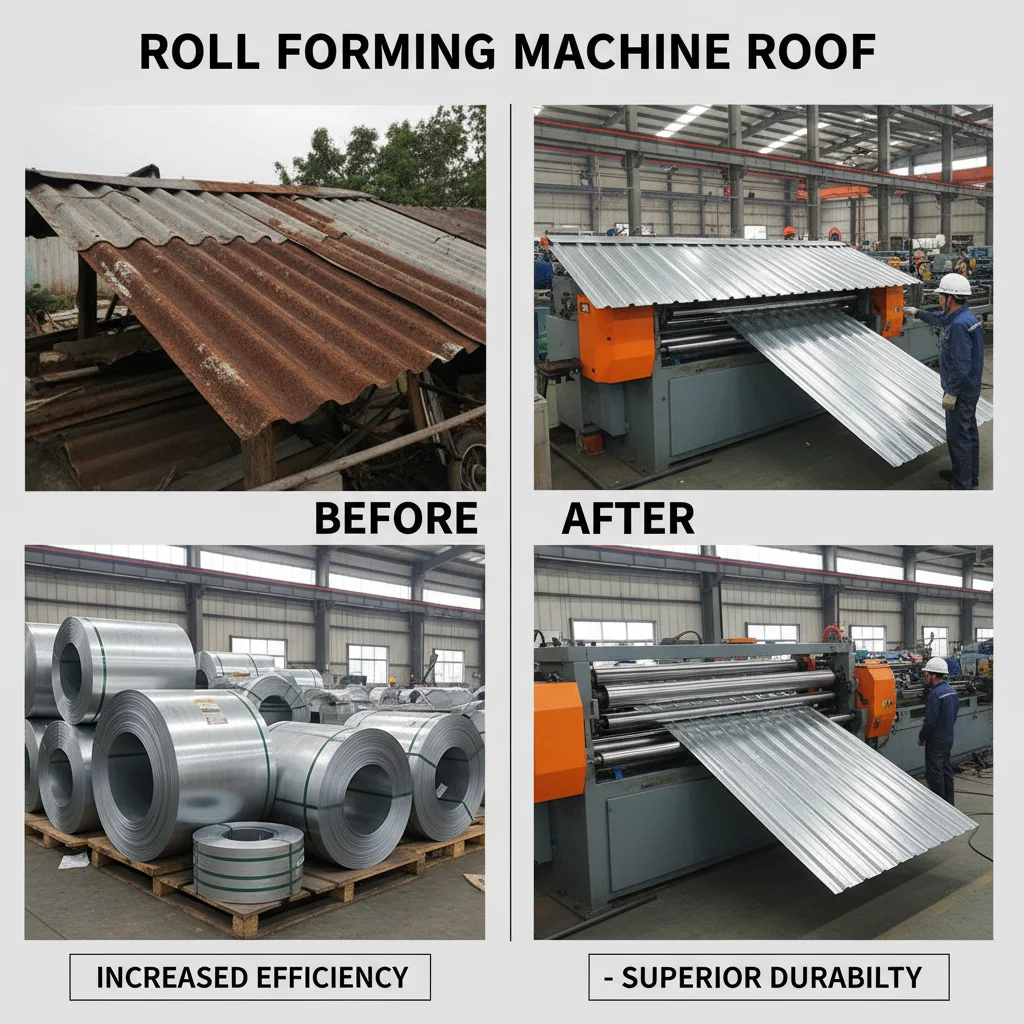
The advantages of utilizing a roof making machine are multifaceted. From a cost perspective, automated production significantly reduces labor expenses and minimizes material waste. This translates into lower manufacturing costs and increased profitability. The speed and efficiency of the process also allow manufacturers to respond rapidly to market demands.
Long-term value extends beyond mere cost savings. The precision and consistency of these machines contribute to the durability and longevity of the roofing materials produced. This reduces the need for frequent repairs or replacements, creating a sustainable solution for building owners and reducing life-cycle costs.
Future Trends and Technological Innovations
The future of roof making machine technology is focused on increased automation, advanced materials, and sustainable manufacturing practices. We are seeing a growing trend towards incorporating AI-powered control systems for optimized production and predictive maintenance.
The integration of digital twins – virtual representations of the physical machine – allows for remote monitoring, diagnostics, and performance optimization. Research is also underway to explore the use of new, eco-friendly materials in roofing production, reducing the environmental impact of the construction industry.
Challenges and Potential Solutions
Despite the numerous benefits, challenges remain in the realm of roof making machine operation. These include the initial investment cost, the need for skilled technicians to operate and maintain the equipment, and the potential for material limitations.
Solutions lie in developing more affordable and user-friendly machines, offering comprehensive training programs for operators, and expanding the range of materials compatible with the equipment. Furthermore, embracing remote diagnostics and preventative maintenance can minimize downtime and optimize machine performance.
The emergence of modular and portable roof making machines is also addressing the need for on-site production in remote locations or disaster-stricken areas, providing a flexible and responsive solution to roofing challenges.
Summary of Key Challenges and Corresponding Solutions
| Challenge |
Impact on Operation |
Potential Solution |
Implementation Difficulty (1-5) |
| High Initial Investment |
Limited Accessibility for Small Businesses |
Leasing Options & Government Subsidies |
3 |
| Skilled Technician Shortage |
Increased Downtime & Maintenance Costs |
Comprehensive Training Programs & Remote Support |
4 |
| Material Compatibility Limitations |
Restricted Product Range |
Machine Adaptability & Material Research |
2 |
| Maintenance Requirements |
Production Interruptions & Reduced Efficiency |
Predictive Maintenance & Remote Diagnostics |
3 |
| Energy Consumption |
Increased Operational Costs & Environmental Impact |
Energy-Efficient Machine Design & Renewable Energy Integration |
4 |
| Calibration & Precision |
Product Defects & Material Waste |
Automated Calibration Systems & Quality Control Measures |
2 |
FAQS
The lifespan of a roof making machine typically ranges from 15 to 20 years, depending on the quality of construction, maintenance practices, and usage intensity. Regular maintenance, including lubrication, component replacement, and calibration, is crucial for maximizing longevity. Investing in high-quality machines with durable components will naturally extend their operational life.
Modern roof making machine are versatile and can process a wide range of materials, including galvanized steel, galvalume steel, aluminum, and even some composite materials. The specific material compatibility depends on the machine’s design and the type of forming rollers installed. Always consult the machine manufacturer's specifications to ensure compatibility.
Regular maintenance is crucial for optimal performance. This includes daily lubrication of moving parts, weekly inspections for wear and tear, and annual professional servicing. Preventive maintenance, such as checking and adjusting tension on rollers and ensuring proper alignment, can significantly reduce downtime and extend the machine’s lifespan.
Production capacity varies significantly based on the machine’s size, automation level, and the complexity of the roofing profile. However, a typical machine can produce between 200 to 500 square meters of roofing material per hour. Advanced machines with automated features can achieve even higher throughput.
Safety is paramount. Operators must wear appropriate personal protective equipment (PPE), including safety glasses, gloves, and hearing protection. Emergency stop buttons should be easily accessible, and regular safety inspections should be conducted. Proper training on machine operation and safety procedures is essential.
The cost of a roof making machine varies widely depending on its size, features, and automation level. Smaller, manual machines can start around $30,000, while fully automated, high-capacity machines can exceed $200,000. It’s important to carefully assess your production needs and budget when selecting a machine.
Conclusion
In conclusion, roof making machine represent a crucial technology within the modern construction industry. They provide a cost-effective, efficient, and reliable solution for producing high-quality roofing materials, contributing to infrastructure development, affordable housing, and disaster relief efforts globally. Understanding their capabilities, applications, and future trends is essential for stakeholders across the construction value chain.
Looking ahead, advancements in automation, materials science, and sustainable manufacturing practices will further enhance the performance and environmental friendliness of these machines. Investing in this technology is not only a strategic business decision but also a commitment to building a more resilient and sustainable future. Visit our website at www.hyrollformingmachine.com to explore our range of roof making machines and discover how we can help you meet your roofing production needs.